

Next delivery date 12th May
Saponaria officinalis (Soapwort) 9 cm Pot
A vigorous, softly aromatic perennial with pale pink clustered flowers and high natural saponin content, traditionally used for gentle soapmaking and textile cleaning.
Description
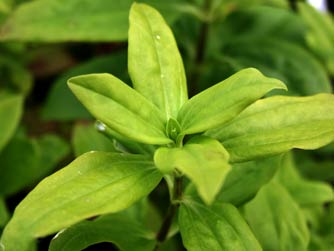
Growth habit & appearance: Saponaria officinalis is a robust clump-forming perennial with smooth upright stems and opposite lanceolate leaves that release a mild soap-like lather when crushed due to high saponin content. It produces clusters of pale pink to soft white blossoms from midsummer onward, creating a loose, airy inflorescence that is highly attractive to moths and night-flying pollinators. In Irish gardens it naturalises readily and adds strong visual presence along edges, meadows, and cottage borders.
Growing conditions: Fully hardy in Ireland and well suited to our cool, moist temperate climate. Thrives in full sun and tolerates poorer soils, though it spreads aggressively in open ground. As a European native it adapts well to Irish conditions and overwinters without protection. Strong rhizomatous roots allow rapid colonisation, so plant where expansion is acceptable or contain its spread with barriers or pots.
Traditional & herbal uses: Historically valued for its natural cleansing properties, particularly in soapmaking, washing delicate textiles, and preparing wool. The aerial parts contain saponins that create a mild foaming action, used externally for skin conditions and gentle cleaning applications. Also referenced in traditional remedies for respiratory tract congestion, though due to toxicity it is strictly for external use only.
Maintenance & harvesting: This species spreads vigorously via creeping rhizomes; remove unwanted shoots regularly to prevent it taking over beds. Cutting the plant back after flowering helps maintain tidy growth and reduce self-seeding, which can otherwise be abundant. Harvest aerial parts when in full flower, or lift sections of root if needed for external preparations. All plants are grown in Co. Clare from division, and plants establish reliably when planted into Irish soil.
Reviews
There are yet no reviews for this product.